October 13, 2026
TF #167 Are You Giving Customers a Reason to Choose You Again?
In a crowded market, products alone rarely set brands apart.In the meal prep space especially, where convenience, pricing, and menu varietyoften overlap, something more powerful determines which brands stand out andwhich fade into the background. That differentiator is experience.
Experience defines how customers interact with your brand atevery touchpoint. It shapes how they feel when they order, receive, and consumeyour product. It influences whether they return next week or begin exploringother options. Strong brands focus on delivering the next purchase. Enduringbrands focus on building an experience that customers trust, rely on, andintegrate into their daily lives.
This is why brands like Chick‑fil‑A stand out. They are notdefined only by the food they serve, but by the consistency of theirhospitality, speed, and attention to detail. That experience becomes part ofwhat customers expect, not just what they hope for.
As brands move beyond growth mode and into longevity,experience becomes the engine that drives sustained success.
The Physical Side of Experience Still Matters
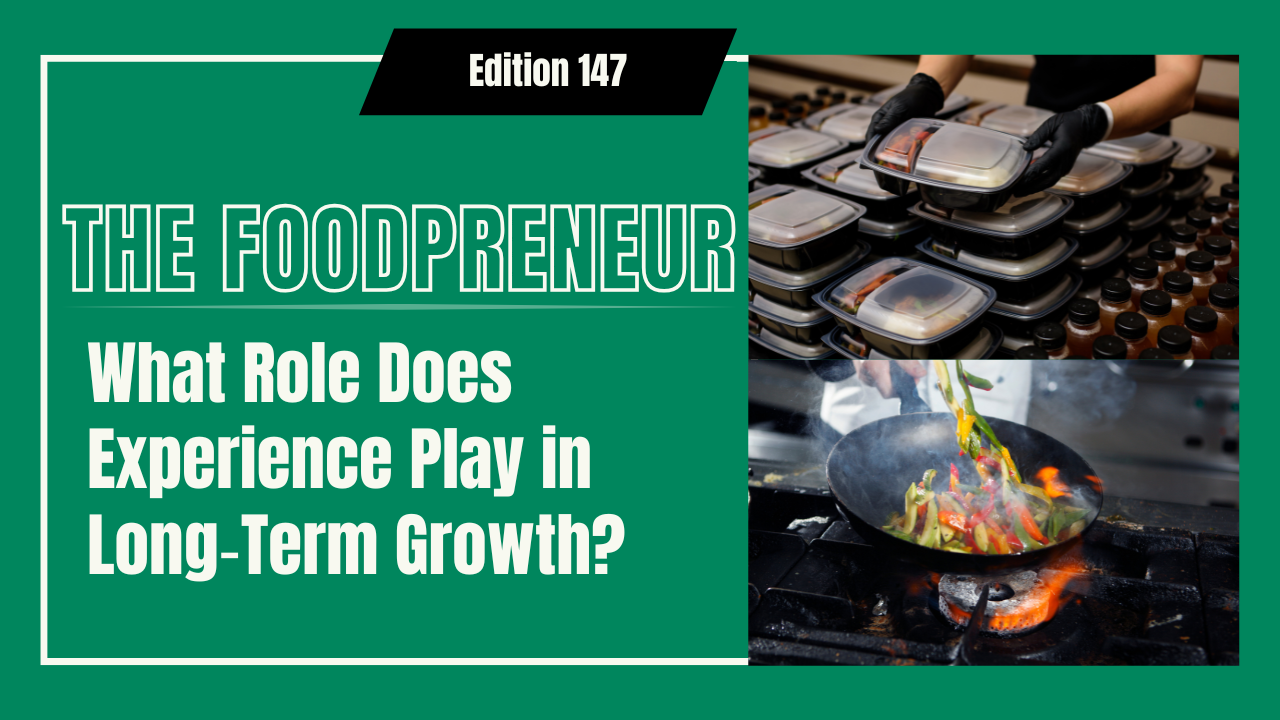
Experience begins with what customers can see and touch.Packaging, presentation, portion consistency, and delivery reliability allcontribute to how a brand is perceived. The ordering process, whether seamlessor frustrating, sets the tone before a meal is even prepared.
When these physical elements are executed well, they createa sense of professionalism and dependability. Customers begin to expect acertain standard, and that expectation becomes part of your brand identity.Over time, consistency in these details builds confidence. Customers are notjust buying a meal. They are investing in a predictable, reliable outcome.
Operational excellence is not separate from the customerexperience. It is a core part of it.
The Emotional Layer Drives Loyalty
While physical elements set the foundation, the emotionalside of experience is what drives long‑term loyalty. Customers remember howyour brand makes them feel just as much as what it delivers.
Convenience today is closely tied to peace of mind. Whencustomers know their meals will arrive on time, meet expectations, and fitseamlessly into their routine, they experience a sense of control and relief.That consistency removes stress from one of the most repetitive decisions theymake each day.
Over time, this emotional response strengthens. Your brandbecomes associated with ease, reliability, and confidence. It moves from beingan option to becoming part of a routine. That shift is what turns occasionalcustomers into repeat customers and repeat customers into loyal ones.
Experience Shapes Customer Behavior Over Time
Every interaction contributes to how customers behave in thefuture. Positive experiences reinforce habits. Negative ones create hesitation.
When brands deliver consistently strong experiences,customers begin to rely on them. Ordering becomes automatic rather thandeliberative. Price sensitivity often decreases because the perceived valueextends beyond the product itself. Customers are not just paying for food. Theyare paying for consistency, saved time, and reduced stress.
As this trust builds, so does long‑term value. Repeatpurchases increase, customer lifetimes extend, and referrals grow organically.Experience becomes a silent driver of growth, working in the background withoutrequiring constant acquisition efforts.
When Negative Experiences Compound
While strong experiences build loyalty over time, negativeexperiences can disrupt it quickly. A missed delivery, inconsistent quality, orunclear communication may seem small in isolation, but their impact compounds.
Customers today operate with high expectations. They areaccustomed to seamless digital experiences and reliable service acrossindustries. When a meal prep brand falls short, the contrast is immediatelynoticeable. Even minor friction can lead customers to reconsider their options.
Growth often amplifies these risks. As order volumeincreases, inconsistencies become more visible and harder to correct. Brandsthat do not address these gaps early may find themselves losing customers atthe same pace they acquire them.
Protecting the experience is essential for protecting long‑termgrowth.
When Convenience Becomes Expected, Experience Becomes the Differentiator
Convenience is no longer a competitive advantage. It is abaseline expectation. Most meal prep brands promise speed, accessibility, andtime savings. What separates one brand from another is how well thatconvenience is delivered.
Experience is where differentiation happens. It lives in thedetails that customers notice over time. Predictability, ease of interaction,clear communication, and consistent quality all contribute to a strongeroverall perception.
Brands that invest in experience move beyond competing onprice or novelty. They build trust that is harder to replicate and harder toreplace. This is what creates a true competitive advantage.
How MealTrack Helps Elevate the Customer Experience
Delivering a strong experience consistently requires morethan intention. It requires systems that support reliability behind the scenes.
MealTrack helps meal prep brands remove friction fromoperations, making it easier to deliver the consistency and clarity customersexpect. By streamlining workflows, improving visibility, and reducing manualerrors, MealTrack allows teams to focus on execution without sacrificingcontrol.
When operations run smoothly, the customer experienceimproves naturally. Orders are more accurate. Delivery timelines become morepredictable. Communication becomes clearer. These improvements may seem smallindividually, but together they shape how customers perceive your brand overtime.
Experience Is What Customers Remember
At its core, experience is what customers take with themafter every interaction. The product may satisfy a need in the moment, but theexperience determines whether that interaction continues.
Brands that prioritize experience are not just sellingmeals. They are building relationships, shaping habits, and creatingreliability in their customers’ daily lives. Over time, this becomes thefoundation for long‑term growth.
Product gets attention. Experience earns trust. And trust iswhat keeps customers coming back.