September 8, 2026
TF #162 What Makes Your Meal Prep Brand Memorable?
Growth is an exciting milestone for any meal prep brand. Increased demand, a growing customer base, and expanding visibility often feel like clear signals of success. Yet sustainable scale is rarely defined by growth alone. It depends on whether the systems, processes, and operational foundations behind the brand are strong enough to support what comes next without compromising quality or trust.
In the meal prep industry, growth without sustainability has a way of exposing pressure points quickly. As demand rises, operations become more complex, execution gaps widen, and maintaining consistency becomes increasingly difficult. The brands that scale successfully are not simply growing faster. They are growing with intention, foresight, and structure.
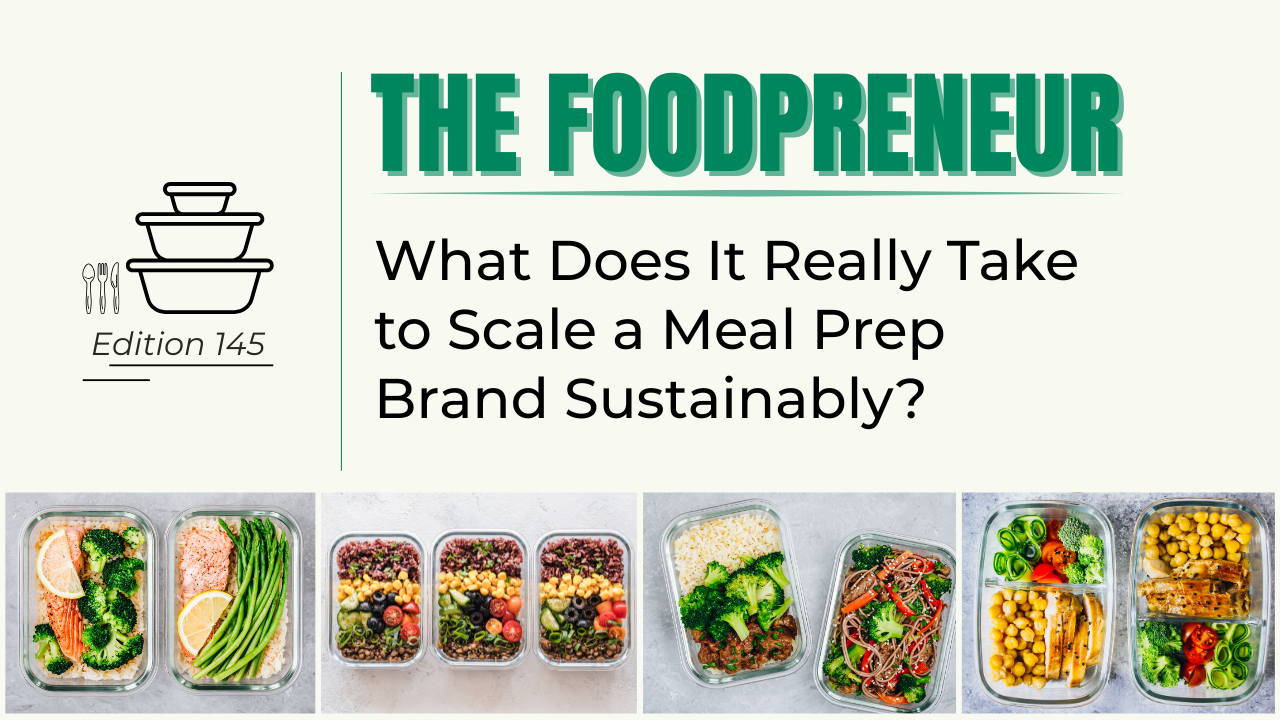
This raises an important question. What does it truly take to scale a meal prep brand sustainably?
When Growth Reveals More Than Opportunity
Early momentum can often hide operational weaknesses. Smaller teams may rely on manual workflows, informal communication, and flexible workarounds to manage daily demands. These approaches can feel efficient at first, especially when order volume is manageable and adjustments can be made quickly.
As demand increases, those same workflows often become constraints. Inventory miscalculations, missed ingredients, fulfillment delays, and inconsistencies in quality begin to surface. Growth does not create these challenges. It amplifies them. Brands that recognize this early are better prepared to shift from reactive problem‑solving to proactive operational planning.
Why Consistency Becomes Critical at Scale
Customer loyalty is built on reliability. Consistency in flavor, portioning, delivery timing, and communication shapes how customers perceive a brand over time. As order volume increases, maintaining that consistency becomes far more difficult without clearly defined systems.
Manual processes that once supported flexibility can introduce risk as complexity grows. Sustainable brands understand that repeatable execution is essential for maintaining trust. They invest in processes that ensure the experience customers expect today will remain consistent as the business expands.
Consistency is not simply an operational goal. It is the foundation that allows growth to continue without eroding customer confidence.
Planning as a Driver of Sustainable Growth
One of the clearest differences between brands that scale smoothly and those that struggle lies in their approach to planning. Sustainable growth depends on accurate forecasting, inventory visibility, and the ability to anticipate demand shifts before they impact execution.
Reactive operations spend time correcting yesterday’s issues. Proactive operations are built to see what is coming next. When planning is integrated into daily workflows, teams can allocate resources more effectively, reduce waste, and adapt without disruption. Growth feels manageable rather than overwhelming when planning replaces constant reaction.
Why Systems Must Evolve Before Volume Does
As order volume increases, inefficiencies become magnified. What feels like a minor delay or manual adjustment at low volume can turn into a significant issue at scale. Sustainable brands invest in systems that centralize information, reduce reliance on manual work, and create visibility across operations.
Scalable systems provide clarity around orders, inventory, and performance, allowing teams to respond quickly without sacrificing accuracy. This visibility gives teams the confidence to support growth rather than fear it. When systems are aligned with scale, growth becomes an extension of readiness rather than a strain on resources.
Flexibility Requires Structure to Succeed
Flexibility is often misunderstood as the absence of structure, yet the most adaptable brands are typically those with the strongest operational foundations. Structure creates clarity, and clarity enables confident decision‑making.
As customer needs evolve, meal prep brands must be able to adjust menus, quantities, and schedules without disrupting execution. When flexibility is supported by well‑designed systems, brands can adapt while preserving consistency. Sustainable growth depends on building flexibility intentionally rather than relying on improvisation.
The Customer Always Feels Operational Decisions
Operational choices may be made behind the scenes, but customers experience the results directly. Delayed deliveries, unavailable items, or inconsistent meals quickly shape brand perception. Conversely, dependable fulfillment, clear communication, and predictable experiences reinforce trust.
Brands that scale sustainably keep the customer experience central to every operational decision. Growth should strengthen reliability, not weaken it. When execution remains consistent as volume increases, customers feel confident staying with the brand as it grows.
What Sustainable Scale Really Demands
Scaling a meal prep brand sustainably is not about chasing volume at all costs. It is about building operations that can handle more without creating friction. Brands that succeed ask critical questions early. Are our processes repeatable? Do we have visibility into demand? Are our tools supporting the team as complexity increases? Can we grow without sacrificing quality or trust?
When these questions are addressed intentionally, growth becomes far less risky and far more rewarding.
How MealTrack Supports Sustainable Scaling
MealTrack helps meal prep brands scale sustainably by delivering greater visibility, structure, and operational clarity. By streamlining workflows, improving forecasting, and centralizing critical data, MealTrack reduces manual strain while protecting consistency across operations.
As demand grows, MealTrack enables teams to stay ahead of complexity, support their customers reliably, and scale with confidence. Sustainable growth is not about doing everything at once. It is about building systems that make growth repeatable, manageable, and aligned with long‑term success.